
Talkers
The best talking parrots
By Sherwin, Mysher Aviary · breeding parrots since 2001 · updated September 2026
Quick answer
The best talking parrots are African grey parrots, Indian ringneck parakeets and eclectus parrots. African greys are famous for large vocabularies and clear speech, and ringnecks talk remarkably well for their size. No bird is guaranteed to talk, but daily practice with a hand-raised bird gives the best chance.
Birds that learn words best
Ranked by talking ability, then by how quiet they are.
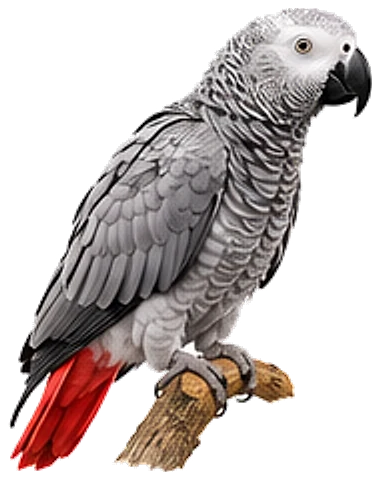 1African Grey ParrotAsk about the next clutchBrilliant and sensitive. Thrives on daily training and conversation — a true lifelong companion.Beginner-friendly Noise Talking
 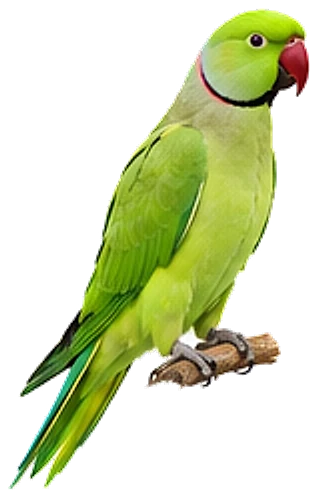 2Indian Ringneck ParakeetAsk about the next clutchOne of the clearest talkers for its size. Daily handling keeps a ringneck sweet and tame.Beginner-friendly Noise Talking
 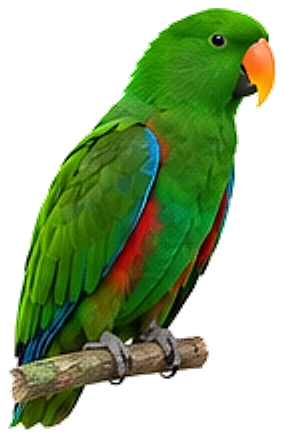 3Eclectus ParrotAsk about the next clutchGentle and observant. Loves routine, quiet one-on-one time and learning words.Beginner-friendly Noise Talking
 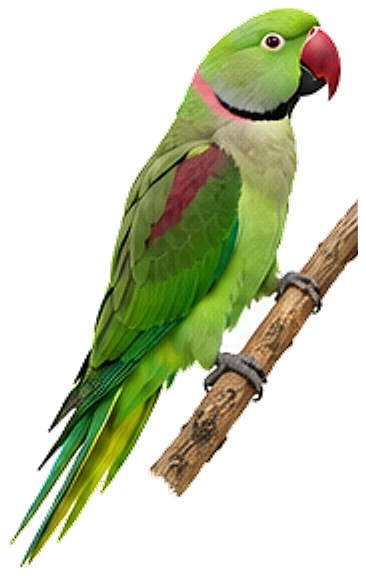 4Alexandrine ParakeetAsk about the next clutchCalm and gentle once bonded. Regular, patient handling keeps an Alexandrine tame and chatty.Beginner-friendly Noise Talking
 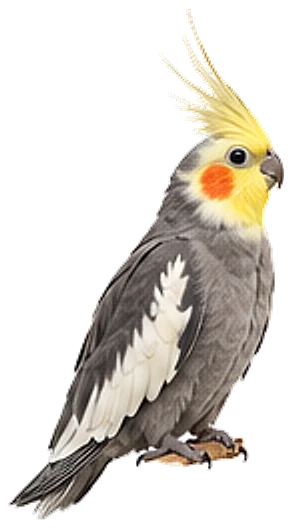 5Cockatiel3 ready nowSweet, easy-going and a great whistler. One of the best first birds you can get.Beginner-friendly Noise Talking
 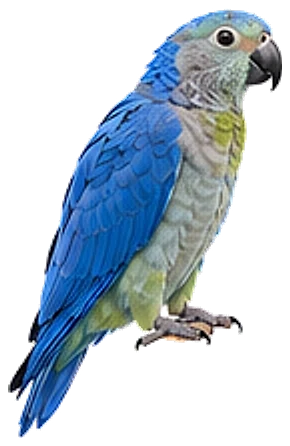 6Blue-backed ParrotAsk about the next clutchA striking native Philippine parrot. Gentle and observant, it bonds well with patient keepers.Beginner-friendly Noise Talking
How to help a parrot learn to talk
Parrots learn words the way toddlers do: by hearing them often, in context, from someone they trust. Hand-raised birds that are bonded to their people pick up words fastest.
- Repeat short words and phrases daily
- Say them at the moment they make sense ("good morning", "step up")
- Keep sessions short and fun
- Reward attempts with a treat or attention
Compare every bird we raise
| Bird | Beginner | Noise | Talking | Size | Lifespan |
|---|---|---|---|---|---|
| Green-cheek Conure | About 26 cm | 15–25 years | |||
| Cockatiel | 30–33 cm | 15–25 years | |||
| African Lovebird | 15–18 cm | 10–15 years | |||
| Gold-capped Conure | About 30 cm | 25–30 years | |||
| St. Thomas Conure | About 25 cm | 20–30 years | |||
| Sun Conure | About 30 cm | 20–30 years | |||
| Jenday Conure | About 30 cm | 25–30 years | |||
| Eclectus Parrot | 35–42 cm | 30–50 years | |||
| Alexandrine Parakeet | 56–62 cm with tail | 25–40 years | |||
| White-bellied Caique | About 23 cm | 25–40 years | |||
| Indian Ringneck Parakeet | About 40 cm with tail | 25–30 years | |||
| African Grey Parrot | About 33 cm | 40–60 years | |||
| Blue-naped Parrot | About 31 cm | 25–30 years | |||
| Blue-backed Parrot | About 30 cm | 25–30 years | |||
| Umbrella Cockatoo | About 46 cm | 40–60+ years |
Common questions
African greys are the best talkers of the birds we raise, followed by Indian ringnecks, then eclectus parrots and Alexandrine parakeets.
Meet them before you decide
Visit our DENR-licensed aviary in Baesa, Quezon City. No online payment, no pressure.